Stop Smoking before Cancer Attacking Yourself

Most people know that cancer is associated with smoking.  Unfortunately, many don’t truly realize the increased risks and seriousness of this disease, let alone its preventability.  Smoking is a toxin and, as such, it causes damage to every organ in the human body.  Therefore, it has been connected to at least 10 different types of cancers, including pancreas, bladder, kidney, cervix, esophagus, larynx, lung, and stomach, and is responsible for approximately 30% of cancer deaths.  

Sadly, more than 154,000 Americans died in 2002 from lung cancer, making it the number one cause of cancer deaths for both men and women.  Frighteningly, only 12-15% of patients who acquire lung cancer are currently being cured by cancer treatments, yet more than 90% of all cases of lung cancer are preventable because they are caused by smoking.
Symptoms of lung cancer include repeated attacks of bronchitis or pneumonia, coughing up blood, a nagging cough, loss or appetite, pain in the arm and chest, unexplained weight loss, wheezing, hoarseness, shortness of breath, and swelling of the face and arms.


Stop Smoking Before You Get Lung Cancer


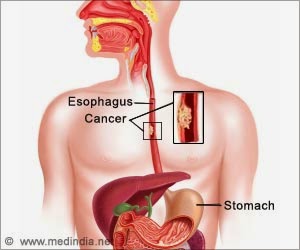
Esophagus (Esophageal Cancer)

The esophagus is a muscular tube that is responsible for transporting food from the mouth to the stomach.  It occurs most often in men over 50 years old.  There are two forms of cancer of the esophagus.  One type, squamous cell cancer, is closely linked to smoking, as well as alcohol consumption. 
Symptoms of squamous cancer of the esophagus include pain or difficulty when swallowing, pain behind the breastbone, weight loss, indigestion, heartburn, cough, and hoarseness.


Stop Smoking Before You Get Esophageal Cancer

Stop Smoking Before You Get Throat Cancer and Bladder Cancer

Throat Cancer

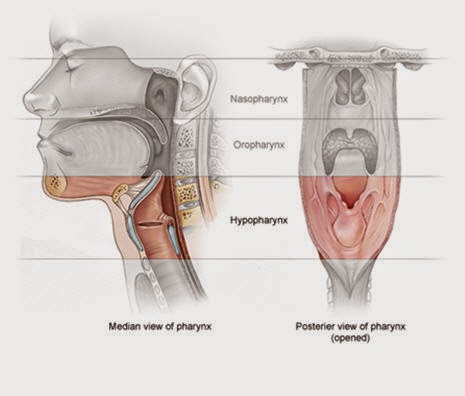
Throat cancer, also known as laryngeal cancer, vocal cord cancer, or cancer of the glottis, occurs when tumors form on the voice box, vocal chords, or other areas of the throat.  Smokers are at a greater risk of developing throat cancer, and those who smoke and drink alcohol are at an even greater risk.  Throat cancer occurs most often in adults over the age of 50.  In addition, men are 10 times more likely to develop throat cancer than women.

Symptoms of throat cancer include a sore throat that does not go away after one to two weeks, even after the use of antibiotics.  Hoarseness that persists for one to two weeks is another symptom.  General difficulty swallowing, neck pain, unintentional weight loss, swelling in the neck, coughing up blood, and high pitched breathing sounds are other symptoms.

Stop Smoking Before You Get Throat Cancer


Bladder Cancer
Stop Smoking Before You Get Bladder Cancer

Bladder cancer generally occurs in the transitional cells of the bladder, which are the cells that line the bladder.  Smoking cigarettes makes a person five times more likely to develop bladder cancer.  In fact, up to 30% of women with bladder cancer and 50% of men are caused by smoking.  By the nature of the cancer, bladder cancer spreads to nearby organs, including the vagina, uterus, ureters, prostate, and rectum.  It is also capable of spreading to the pelvic lymph nodes, the bones, the lungs, and the liver.


Symptoms of bladder cancer include frequent urination, blood in the urine, painful urination, and urinary urgency.  Those with bladder cancer may also experience bone pain or tenderness, urinary incontinence, anemia, abdominal pain, weight loss, and lethargy.


Next reading Stop Smoking Before You Get Stomach Cancer and Kidney Cancer

Stop Smoking Before You Get Stomach Cancer and Kidney Cancer

Stomach Cancer

Stomach cancer, also known as gastric carcinoma, comes in a variety of forms.  The most common form Adenocarcinoma is the most common type of cancer affecting the digestive tract in the world.  It occurs most often in men over 40.  Diagnosis of stomach cancer is often delayed because there are not early symptoms or because sufferers mistake it for other less serious disorders, such as a sense of fullness, bloating, or gas.

Symptoms of stomach cancer include difficulty swallowing, loss of appetite, nausea, vomiting, and feeling of fullness, abdominal pain, breath odor, excessive belching, excessive gas, weight loss, and a general decline in health.
Stop Smoking Before You Get Stomach Cancer

Kidney Cancer

Kidney cancer is also known as renal cancer, adenocarcinoma or renal cells, and hypernephroma.  It affects approximately 3 in 10,000 people and 12,000 people die every year from the cancer.  It is more common in men than and women, particularly affecting men over 55.  A history of smoking dramatically increases the likelihood of developing kidney cancer.  This cancer metastasizes, or spreads, very easily.  It most often spreads to the lungs or to other organs.  Sadly, nearly 1/3 of patients with kidney cancer have metastasized by the time it is diagnosed.

Symptoms of kidney cancer include abnormal urine color (such as rusty, dark, or brown), blood in the urine, back pain, weight loss, malnourished appearance, abdominal pain, enlargement of one testicle, and swelling of the abdomen.

Stop Smoking Before You Get Kidney Cancer

Have You Ever Sign a No-Smoking Contract?

Signing a no-smoking contract will allow you to further the mental change that you will be making when you decide to quit smoking.  The first thing that it will allow is a way of showing your motivation to kicking the habit of smoking.  The next thing that it will allow is for you to remind yourself of the commitment that you are making and sticking to by quitting smoking.  By having a physical no-smoking contract available to you, you are allowing yourself to be accountable to stop your habit as well as giving yourself a physical form of remind yourself of the intentions you have to quit smoking. 
  
Your contract will first allow you to be able to be accountable for the day that you decide to quit smoking on.  Once you decide the day that you decide to quit smoking, you should make your contract, starting out with the specified date.  It is important to keep this as the main commitment to yourself so that you can carry out with your plan.

The contract can then hold several things in order to help keep you motivated and committed to the process.  Most contracts that are written include all of the details of what you are signing.  Because of this, your no-smoking contract should be detailed and comprehensive.  The first thing to include in your contract can be the reasons for you quitting.  This may be for health reasons or because of relationships that are suffering because of your smoking habit.

The next thing to include in your contract is a list of those things that make you want to smoke, also known as triggers.  This may include spaces that make you crave a cigarette, or certain emotions, such as stress, that lead you to smoke.  By understanding these different trigger points and allowing yourself to commit to change them through the contract will help you carry out with your plan to quit smoking.  

Sign a No-Smoking Contract
Have You Ever Sign a No-Smoking Contract?

Another important part of your contract is outlining the different methods that you will be using to quit smoking.  This includes changing your environment and diet, as well as the use of physicians, smoking support groups, knowledge and friends and family to help you break your bad habit.  By knowing what positive aspects are changing from your desire to quit smoking, it will further motivate and commit you to leaving your smoking habit behind. 

Many no-smoking contracts include rewards that you will receive by quitting your smoking habit.  You can reward yourself in several ways, either by giving yourself smaller things at the end of each day, or by rewarding yourself with bigger things at the end of certain periods of time.  You can also include the rewards that you will receive through your changing health and changes in relationships on your contract.  By seeing what you will receive by carrying through the process of quitting your smoking habit, you will be able to commit easier to breaking your habit and staying with the contract.  

The next step to take with your no-smoking contract is to have someone else sign it who will help you prepare and be accountable for you to stop smoking.  Make sure that they know your plan and are willing to hold you responsible for quitting your habit.  This will give you extra support in your efforts and plans to stop smoking.  You may want to ask the person or people who sign the contract to help you in changing the trigger points as well as being included in the things such as the rewards.  This can further motivate you to quit smoking.  

Signing a no-smoking contract is one way of motivating you to stop smoking.  It will allow you to outline the necessary steps and plans that you need to take to quit smoking.  It will also give you a physical form to look at when you are going through the stages of withdrawal.  By having a contract, you will be able to stay focused on your goal.  This will allow you to have a consistent reminder and way to motivate yourself.  By having a no-smoking contract, you will also be able to keep a positive attitude while going through the hardest stages of giving up smoking.  Sticking to your plan to quit smoking is the key to successfully quitting.  This can be done easier by making yourself accountable for the different parts to your plan. 

Smoking Can Cause Gum Disease Or Oral Cancer

More serious problems with smoking and dental hygiene may include gum disease and oral cancer.  This can cause long term effects by someone who smokes.  The tobacco that moves into your system causes your immune system to limit how it can fight infection.  It also stops the growing of blood vessels.  Both of these contribute to one who smokes getting gum disease or oral cancer.

One of the ways that most smokers will get rid of bad breath is by using a certain type of smoke screen gum.  This will neutralize the odor causing bacteria on your tongue after you smoke a cigarette.  However, this type of gum is usually fairly expensive and does not eliminate the bad breath after you smoke another cigarette.  The bacteria is still able to move inside your mouth, and the chemicals that stick to your teeth, gums, tongue and cheeks still remain in place.  Most quick remedies that are there for smokers are used for shorter term fixes and are unable to eliminate the complex problems that form in your oral hygiene from smoking.   

The easiest way to prevent dental problems and bad breath is by stopping smoking all together.  This will begin to change several of the problems that have occurred with bad breath because of smoking.  After you quit smoking, the saliva in your mouth is able to move more freely.  This will naturally begin to get rid of the extra bacteria that were able to grow in your mouth.  The next thing that will happen is the blood vessels and the tissue cells will begin to repair.  Nutrients, such as Vitamin C, which were being killed by the bacteria before, will have a chance to repair and build back in your mouth.  This is one of the main agents that will fight the bacteria. 

Smoking Can Cause Gum Disease Or Oral Cancer

Eventually, the chemicals, tar and nicotine that were beginning to stay in your mouth will also be washed away.  This will leave no room for the bacteria to stay in your mouth and cause the bad breath.  When you quit smoking, your mouth will begin to rebuild the damaged areas.  These will not only help to prevent bad breath, but also things such as stained teeth, and more serious problems dealing with gum disease and oral cancer.  

Deciding to quit smoking is a choice that will help with your health in many areas, including your oral hygiene.  By deciding to quit smoking, your mouth will be able to function better and remain healthy.  If you want to eliminate your bad breath or smokers’ breath then deciding to quit smoking is the best way to do it. 

Smoking Makes Your Breath Stink

One of the effects that smoking has on you is that it causes bad breath as well as other dental problems.  There are several reasons why smoking causes problems with your breath and oral hygiene.  While there may be some temporary fixes to banish bad breath, the easiest way to get rid of the bad oral hygiene is to quit smoking.  

The main reason for bad breath when smoking is found to be caused by the chemicals found in cigarettes.  These are then moved into your mouth, where they can build up.   Tar and nicotine easily begin to build up on the mouth surfaces.  They can stick to places like the teeth, gums, tongue and side of the cheeks.  This causes smoker’s breath to form. 

Smoking Makes Your Breath Stink

One of the major results of the chemicals in the cigarettes is that it allows bacteria to form in your mouth.  The first way in which bacteria is able to stay in your mouth is from these chemicals.  When they stay on your mouth’s surface, it allows the bacteria to stick to certain places, giving them a place to thrive.  

Another reason why smoking causes bad breath, is because it dries out your mouth.  In consequence, this stops the saliva from continuously flowing and cleansing out your mouth.  This is what causes the growth of certain types of bacteria in your mouth, which then lead to a continuous odor on your breath.  Because the saliva is not able to move as freely, it can’t clean out the bacteria that move through your mouth.  These same parts of smoking also cause cavities and yellowing of teeth to form easier.  

Another reason why smoking will cause bad breath is because it raises the temperature in your mouth.  This causes oral tissue cells to be damaged and killed.  These will then not be able to protect the mouth efficiently, causing the bacteria to be able to move into the mouth easier.  This may eventually lead to more serious problems with your oral hygiene.  

Stop Smoking Right Now, Mom!

Once you make the decision to quit smoking and has a healthy future for you and your child, start the benefits. Twenty minutes after returning last cigarette, your blood pressure and pulse to normal. In the first three days is carbon dioxide and nicotine from the system to increase the levels of energy and breathe easier. One year after the arrest of the circulation will be improved ex-smokers, and increases in lung function. Ten years after quitting, the risk of lung cancer is 50% of smokers and the risk of a heart attack the same as non-smokers.

Even knowing all the benefits, however, is not always enough to take a break goal decent. Smokers who have kicked the habit successfully suggest some ways to deal with the difficult process of breaking nicotine addiction.

First, make a list of the reasons why it stopped. If someone who is pregnant or considering the health of your child is pregnant, on top of your list. This is a great opportunity to stop making excuses and to motivate yourself to stop in a certain period of time. Other reasons may include health and wellness, financial problems, or even better performance and get rid of the typical smell of tobacco. When you are tempted to smoke again, take your list and remind yourself why you prefer to stop.

Stop Smoking Right Now, Mom!
Another technique is tried and true is to surround yourself with support. Tell friends and family about your intention to stop and ask for their encouragement and patience throughout the process. Joining a support group set up specifically for people who quit smoking. Both online and local groups are available, depending on your preferences in a contact or 24/7 advice. Many groups such as the American Lung Association or American Cancer Society will help you find a support group or to offer support online. Another good place to look for support is a provider of health or insurance.

If you smoke before, during or after pregnancy, putting both your health and your baby's health at risk. If you stop smoking, however, benefit begins 20 minutes after the first cigarette and continued for many years to come. Ensure a healthy start for your baby to stop smoking today!

Smoking Can Harm Your Baby

As a smoker, you put at risk the health of each of cigarettes, cigars or tobacco products you use. But the stakes climb higher if you are pregnant or think you may be pregnant. Learn how smoking affects: your chances of getting pregnant, the health of your baby during pregnancy and well-being during the first year after the birth of your baby.

Smoking Can Harm Your Baby

Pregnant

If you are currently using oral contraceptives and smoke, you are more at risk of heart disease and hypertension. Smokers only 72 percent of the fertility of a smoker. Male smokers also face a risk of 50 percent higher than impotence. Research shows that smoking can reduce the response to stop ovulation and fertilization and implantation of the zygote.

It is also believed that the chemicals cause cervical fluid tobacco toxic to sperm, which greatly increases the difficulty of conceiving. It also indicates that the toxins in cigarette gene mutations, which can cause lead to birth defects, cancer, miscarriages, and many other health problems for children of smokers. Mutations of this gene will be the child whose father is a smoker, not only influence the mothers.

Pregnancy and childbirth

During pregnancy tobacco smoke chemistry is inherited from the mother to the fetus through the bloodstream. These chemicals, toxic to the mother and the child, posing a serious risk. Studies have shown that smoking during pregnancy is associated with a variety of health problems, including low birth weight, placenta previa, premature labor, premature rupture of membranes, miscarriage, and neonatal mortality. If infants had mothers who smoked during pregnancy, child is nicotine in the blood are the same mother. In the first days after birth, a parent of the child smoking experience withdrawal symptoms.

Postnatal

After birth, the baby's health continues to suffer from a mother or a father smoking. During the first year, will be children with parents who smoke experience a higher risk of pneumonia and bronchitis. Children of smokers are at greater risk of frequent, severe asthma attack.

Children exposed to secondhand smoke (passive smoking) are more susceptible to the adverse effects of hair due to their increased respiratory rate. Cigarette smoke can cause children to have more colds, respiratory problems, ear pain, and diseases that require the assistance of a doctor. Asthma or allergies can worsen when children are exposed to cigarette smoke. Finally, the children of smokers are at greater risk themselves to be smokers.

Lung Cancer Causes and Types

As previously mentioned, cigarette smoking is the number one cause of lung cancer. Exposure to secondhand smoke, asbestos and other industrial carcinogens, and high concentrations of radon are other potential causes of lung cancer. In particular, smokers who experience exposure to asbestos or radon are even more at risk for cancer than nonsmokers.

A cancer is named by the body part in which it originated. So even if a nonsmoker has cancer in the kidney that spreads (metastasizes) to the lungs, it is considered metastatic kidney cancer. Nonsmokers rarely get lung cancer, and smoking does not affect the spread of cancer from other body parts to the lungs.

Of cancers originating in the lungs, there are two main types: small cell and non-small cell. Small cell cancer afflicts smokers almost exclusively, and spreads early on during the course of the disease. This type of cancer is typically treated with chemotherapy and radiation, as surgery is generally not an option. However, the five-year survival rate is very low. 

More than 75 percent of lung cancers are non-small cell. The four main types of non-small cell cancer are squamous cell carcinoma, adenocarcinoma, large cell carcinoma, and bronchoaveolar carcinoma. If caught early in the course of the disease, non-small cell cancer can often be surgically removed. Adenocarcinoma is common for nonsmokers and people exposed to secondhand smoke. On the other hand, bronchoaveolar carcinoma tends to occur more often in smokers and in more than one location simultaneously.

Stop Smoking
Lung Cancer Causes and Types

Conclusion

Causing nearly 90 percent of lung cancer cases, smoking is by far the greatest risk factor for this disease. However a decade after quitting, your risk of lung cancer is reduced by one-third. Reducing the number of cigarettes smoked can also reduce the risk, although it is not nearly as effective as quitting entirely.

Stop Smoking If You Don't Want To Suffer From Lung Cancer

Although smoking can cause many different physical ailments, one of the most serious diseases associated with tobacco use is lung cancer. Smoking causes 87 percent of all cases of lung cancer. The leading cause of cancer deaths in America, lung cancer costs more people their lives than prostate, colon, lymph, and breast cancer combined.

The risk of lung cancer increases the longer you smoke, and the more cigarettes you smoke regularly. However, if you quit smoking—even after many years—you can still greatly reduce your risk of lung cancer. Prevention of the disease is very important because lung cancer typically is not found until it has reached an advanced stage. The survival rate for lung cancer victims, although improving, is still below that of many other cancers.

The most common symptom of lung cancer is usually a cough. This cough is caused by a tumor blocking passage of air or irritating the airway lining. Other symptoms include coughing up blood, chest pain, a “smoker’s cough” that grows worse, repeated bouts of pneumonia or bronchitis, shortness of breath, fatigue, appetite and subsequent weight loss, or hoarseness lasting over two weeks. Sometimes, lung cancer spreads to other parts of the body (also called metastasizing), and may cause headaches or bone pain. 

Stop Smoking
Stop Smoking If You Don't Want To Suffer From Lung Cancer

Background

Human lungs are paired organs that occupy the majority of the chest cavity, located on either side of the heart. The left lung has two lobes and the right lung has three. The pleura, a thin membrane, cover the lungs. Likewise, airway and windpipe linings have surface cells (columnar epithelium) and glands that produce mucus and other fluids.

Air travels from the nose or mouth through the trachea, which separates into two bronchi that enter either lung. Within the lungs, the bronchi continue dividing into smaller tubules, the smallest of which is called the alveoli. Alveoli are grouped in clusters, or lobules, which are then grouped into lobes. An alveolus is surrounded by capillaries. Capillaries are part of the pulmonary blood vessels that connect the lungs to the heart. Blood flows through the capillaries, carbon dioxide is delivered into the alveoli, and oxygen is diffused in the bloodstream.

The columnar epithelium (airways and windpipe lining) in healthy lungs divide in an orderly, controlled manner. When a person has lung cancer, these cells continue to reproduce past the point when new cells are needed. Lung cancer may take years to develop, but lung tissue may start to change immediately after being exposed to carcinogens in cigarette smoke. Continued smoking means more exposure to carcinogens; normal cells become more damaged and may become cancerous. Because of the great reach of the lung’s cells throughout the body, cancerous cells may spread throughout the body (metastasize) more easily.


Continue reading Lung Cancer Causes and Types

How To Quit Smoking

by: Rob Mellor
One of the most vicious diseases in today’s times is smoking. It makes a person baffle for air 3 times more than a non-smoker. It has very many repercussions on the life of the smoker and those around him. It leads to lung cancer and various heart diseases like asthma and emphysema. We should thus abhor this deadly disease and quit smoking. 

Quitting is not easy
But to actually quit smoking is not easy, because it is an addiction. However there are very many ways and methods that help us to quit smoking for instance we can opt for acupuncture therapy or aromatherapy. We can also opt for non-nicotine cigarettes or go for precise prescription by a doctor. 

But first and foremost we need to decide in our heart to stop smoking and should also fix a day for the same. Inform your family about your decision and seek for their help and assistance. Throw away all the cigarette packets, ashtrays and lighters. Stop buying any more cigarettes. Rather think of the more useful and better things that you can buy with the money thus saved. Ask the other family members also, who smoke, to stop smoking. Keep yourself busy. Exercise regularly and meditate occasionally. Eat healthy food. 

After doing all this you may still feel severe urges to smoke. You may also actually retort back to it, but that’s no problem, just be persistent and bring back your decision on to the right track after this break, because most of the people are successful only after 2-3 attempts. 

Be prepared for withdrawal symptoms
About 80% people retort back to smoking after once leaving it and only 20% successfully accomplish the task. People retort back due to many reasons. Some say they feel agitated. Others say that the aroma when someone lights up is irresistible. But most of them do so due to the fear of symptoms that appears after that last puff viz. weight gain, aggressive thinking, dry throat, fatigue, muscle cramps, constipation, dizziness, hypersensitivity to stimuli, etc. but these are all just temporary symptoms and disappear in a few days. In fact after the initial bout is over the blood pressure, heart rate, pulse arte all get back to normal. You thus need to keep your will power strong and stick to your decision for a few more days. 

Some people are not able to continue with the smoke cessation programs because they say that they are costly. But this is a wrong perception because they are not costlier than the price spent for buying cigarettes. And then isn’t it more logical to spend on your health rather on a disease. 


Sitemap

Related Articles

How to Know if You Need Vitamin Supplements

by: Jeff Matson
Taking vitamin and mineral supplements is perhaps one of the most controversial issues regarding healthy living. The lack of vitamins in your diet can be unhealthy, but too many vitamins can also put your health in danger. So, how do you know if taking vitamin and mineral supplements is necessary for you? Ask yourself the following questions in order to determine if you may need vitamin supplementation for a healthier lifestyle: 


1. Am I Stressed? If you are constantly stressed-out due to work, relationships, family or any other situation, your adrenal glands may be working overtime. This can potentially cause fatigue and headaches.

Treatment: Vitamin B Complex, Vitamin E and Vitamin C supplements can help with this problem. 


2. Is My Immune System Up to Par? Do you constantly find yourself catching colds and the flu more frequently than others? You may need to boost your immune system with vitamins and minerals which provide the nutrients needed to fight these viruses.

Treatment: Vitamin C supplement, Zinc and Manganese will do the trick. 


3. Do I smoke? I’m sure you’re aware that this habit is unhealthy but smoking uses up vitamin C and puts you at higher risk of osteoporosis.

Treatment: Vitamin C supplements and calcium supplements will help reduce your chances of osteoporosis and provide you with the adequate amount of vitamin C. 


4. Am I Pregnant? Pregnant and hormonal women often lack in vitamin B-6. If you do not receive enough of this vitamin it can be harmful to you and your baby.

Treatment: Take a vitamin B-6 supplement, but make sure not to take doses of more than 500mg per day without a Doctor’s recommendation. 


5. Am I on a Diet? If you are on a low-carb, low-fat or any form of diet you are probably not receiving the vitamins necessary for healthy living. Individuals on diets very rarely eat foods from all the major food groups and if they do, they usually do not eat the required amounts. 


Treatment: Depending on the type of diet and the foods you eat, you may require a multi-vitamin supplement or specific supplements of Vitamin A, B, C, D, E or K. 


Answering yes to any of the questions above does not necessarily mean that vitamin or mineral supplements are crucial to healthy living. The situations listed above are merely a guideline to help individuals who already feel as though they are lacking the vitamins and minerals in their diets. It is important to remember that vitamin supplements are meant to accompany food and are in no way meant as a replacement for a healthy diet. 


Health-related information changes frequently, and while every attempt has been made to ensure the content in this article is up to date and accurate, you should always check with a doctor or nutritional expert before undertaking any substantial change in diet or lifestyle. 

Related Articles

Erectile Dysfunction Being Punched by Viagra Blues

by: David Turner
Nothing in the world excites you better than sex…it’s an irrepressible desire…you can not run away from sex by any means. Sex is an ultimate enhancer as well as a drastic depressor; sexual dissatisfaction leaves you in vulnerable position. 


A good sex is a sensational experience; it rejuvenates your mind and body and increases your self-belief. But there are times when little Johnny does not supports you, you desperately want it but you can’t have it, and this is the time when manhood is at stake. 


In medical terms the problem is christened as Erectile Dysfunction, it is defined as the inability to keep up erection essential for sexual gratification, to be a bit more precise, it can be categorized as temporary or short term erectile dysfunction or permanent erectile dysfunction. About 150 million men around the world are under its grasp, its thoroughly different form other sexual problems related to orgasm or reluctance towards sex. 


Some vital factors contributing to erectile dysfunction are

• Diabetes, high cholesterol, and early stages of heart disease can cause erectile dysfunction.
• Emotional disorder, problem in relationship.
• Socioeconomic issues.
• Smoking and alcoholism.
• Lack of frequent erection. 


Taking impotence on your self esteem can hamper your professional as well as personal lives, it may not have a permanent cure but it is easily treatable. Online prescription pill such as Viagra is remarkably successful in the treatment of ED. 


The miraculous blue pills (Viagra) hit the market hit the market in 1998 and since then it has dominated the global male impotence market. Viagra has been successful in treating 65%to 70% cases of impotence; this fact has further enhanced its popularity. 

Viagra belongs to a group of drugs that contain PDE-5 inhibitors, which work by relaxing the blood vessels and allowing blood to flow into the penis. The result is a natural erection.

Viagra is available in 25mg, 50mg and 100mg tablets, to be taken as per recommended by the doctor. Take Viagra 30 minutes before sex and enjoy its effect for the next five hours. A heavy meal and alcohol consumption can increase the time taken for Viagra to effect. 


Viagra can lead to serious side effects such as headache, mild facial flushes and upset stomach. Other effects noted are a bluish tinge to vision, blurred vision and light sensitivity, although these are far less common. 


Viagra is strictly restricted for women and children. Adolescents who are not suffering from erectile dysfunction should not go for Viagra as it can lead to dangerous adverse effects. Kill erectile dysfunction before it kills yours and your partners flourishing relationship, take the magical blue pills and enjoy the sexciting consequences. 

Related Articles

You Come First!

by: Debra Gorin
A selfish idea? YOU come first? Hardly. The literature of all faiths urges believers to care for themselves. For instance, the cliché “Love thy neighbor as thyself” assumes that you first are able to “love” yourself. Perhaps “love” is the wrong word these days. The concept, however, is still valid. You can only care for others as well as you know how to care for yourself. 


Think for one moment. How many people rely on you? How many people are affected by how you feel every day? Spouse, children, in-laws, employees, co-workers? Even the check-out worker at the grocery is influenced by how you feel as you pass through his or her life. If you have not taken care of you, then all these interactions can be negative or even hurtful. 


Somehow we have in our society come to believe that to be a good person, we must give, give, give. Time, energy, affection, money. It’s all expected to flow out from us to others. Endlessly. The more we do, the more we give, the better person we are. Or so we’ve been trained to believe. 


But emotional energy is like a bank account. One cannot continue to make withdrawals and not expect the amount to shrink. What can we do if the account is emptied? Then there is nothing left for all those people who need that piece of us. 


Only one person can make deposits in that emotional energy bank. You! That is why YOU come first. You are responsible for keeping that emotional bank full. Only you. 


“YOU COME FIRST” urges a new concept: mental wellness. Most people think of psychiatry as an experience to be had after a crisis. That’s wrong. These days we eat healthy and exercise to avoid a heart attack. We lose weight and stop smoking to prevent the stroke. We should also exercise our emotions to determine how we can be as emotionally healthy as possible. If we truly recognize how important we are in our families and our communities, then we will take the steps to examine the emotional side of our lives. Counseling, massage, relaxation therapy, sleep assistance and other tools are all a part of helping you understand that you come first. This is not selfish a thought. It is, in fact, the way you can guarantee that you will always be there to give to those who need you. 

Related Articles

The Courage to Heal


Healing is a very threatening process because it requires that we make significant, often dramatic changes in our lives, and change is always threatening. On the most fundamental level, safe equals familiar. When our most basic, physiological needs are being met, we’re often able to overcome minor concerns about the unknown and embrace change without feeling threatened. When we’re in pain because of dis-ease, however, our most basic needs are not being met. 

When our Physiological Need account is overdrawn, all of our need accounts are put on red alert. When we’re in pain, we’re most definitely not feeling safe, and any change will be a threat. To make matters worse, the behaviors that we will have to change—often eating, drinking, and/or smoking—seem to be the few reliable ways that we can make deposits in our Safety Accounts. 

On an intellectual level, we may understand that the only way to truly heal and be free of the pain of our dis-ease is to alter our behavior. However, when our safety needs aren’t being met, we act on instinct. The very thought that we have to give up the few things that give us pleasure makes us feel even less safe. 

What happens next is that we often retreat into victim consciousness. We long for the magic wand that will miraculously make the pain go away and let us continue with our lives exactly as they are, because that’s the only option we can imagine that lets us feel reasonably safe. When we escape into fantasy, of course, we avoid any personal responsibility. We also give up all personal power, and lose the ability to heal. 

In order to truly heal, we must accept each healing crisis as a call to awareness. When we’re in pain, all we can do is find some way to alleviate the pain. This is an essential first step. Healing requires that we address our safety needs, and we can’t do this until our physiological needs are being met. Healing isn’t about stopping the pain; healing is about what we choose to do once the pain has stopped. 

Healing is not about pain management; it’s about safety management. In order to change our behaviors and allow our bodies to heal, we must learn how to manage our Safety Accounts. 

For example, we might have an emotional attachment to sugar. Anytime we feel stressed, unhappy, or otherwise unsafe, we can always rely on a candy bar or some ice cream to make us feel a little better. If we are at risk for diabetes, however, eating sugar poses serious health risks. Of course, the thought of having to give up sugar makes us feel unsafe, and in order to replenish the balance in our Safety Account, we dive into a pound of Godiva chocolates. 

The only way to break this pattern is to learn to manage our Safety Account. We must discover other behaviors that help us to feel safe that do not involve eating sugar. We can use the “Present Moment Awareness Safety Exercise” (see The Relationship Handbook: How to Understand and Improve Every Relationship in Your Life, page 48) to manage our general stress levels so that we’re less likely to give in to our cravings. We experience the truth that we can meet our needs in many different ways, and so we do not feel threatened and unsafe by the thought of limiting or excluding sugar from our diet. And, of course, we apply AWARENESS, OWNERSHIP and CHOICE to create new behaviors that support our health. 

Now, anyone who has struggled with attachments or addictions will tell you that while the theory is very simple, simple isn’t the same thing as easy! Throughout the process, we also have to be careful not to trigger our egos (as we covered in Part 1). We must take small steps, validating and rewarding ourselves for each elegant choice, no matter how small, and avoid punishing ourselves for not being able to change our behavior patterns instantly.
We did not create our dis-eases overnight, and we won’t be able to heal them overnight, either. We must accept that healing is a gradual process, and in this acceptance is one of the keys to healing. We generally do not need to make drastic, immediate changes in order to heal. We can make gradual changes in our behavior and our beliefs, and the more gentle we are with ourselves during the process, the more successful it will be. 

Healing does not have to be difficult. It’s just that for most of us, as soon as we stop hurting, we lose interest in actually healing. 

Related Articles